Air Toxics/HPAs
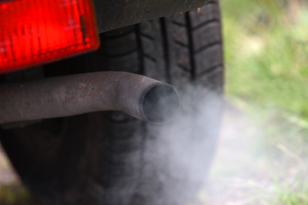
Volatile (vapour-phase) organic ‘air toxics’ range in volatility from methyl chloride and propene to hexachlorobutadiene and the trichlorobenzenes, and include polar as well as non-polar compounds.
Analyte lists for monitoring of air toxics have changed little since the methods were developed, but moves are now underway to broaden the analyte scope, to include ultra-volatile species – such as ethylene oxide and vinyl chloride – as well as oxygenates and terpenes.
The two popular and well-validated methods, both used in conjunction with GC, are:
There are inherent advantages and disadvantages to both tubes and canisters, and deciding which to use to monitor air toxics can involve consideration of a number of factors. These include volatility range and expected concentration, as well as reasons of historical investment.
Stack Emissions
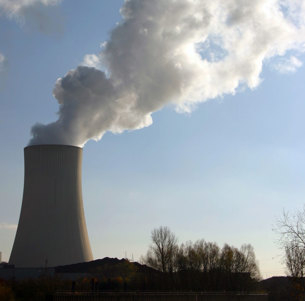
Pollutants in ‘stationary sources’ (such as stack gases) need to be monitored for a variety of reasons, including compliance with environmental legislation. While most measurements of bulk organic vapours in stack gases are made using sensors, lower-level toxic organics require much greater sensitivity.
A major analytical challenge presented by stack gases is that they are often aggressive matrices, comprising both high- and low-concentration organic vapours with acidic gases, high levels of particulates, high humidity and a wide range of inorganic gases.
In addition, environmental regulations require emissions of organic vapours to be maintained below defined limits, which necessitates ongoing monitoring. Methods therefore need to be reliable and able to cope with a wide range of environmental conditions.
In the US, whole-air collection methods, such as glass ‘bombs’ canisters and sampling bags, are widely used for monitoring stack emissions, in accordance with (for example) US EPA Methods 0030, 0031 and 5041A. However, these methods are limited in terms of their analyte range.
In the EU, for many years the standard method (CEN/TS 13649) involved the collection of airborne vapours onto glass tubes packed with activated carbon, followed by extraction of analytes with carbon disulfide (CS2) and GC–MS analysis. However, in 2014 a revised edition of the method was released, which specifies as an alternative the use of TD tubes, followed by TD–GC–MS analysis.
Grab-sampling or low-flow pumped sampling with TD analysis – in accordance with CEN/TS 13649 – offers a quick, highly sensitive alternative to solvent extraction for the analysis of VOCs in stack gases. Such methods also avoid the limitations of whole-air methods.
Modern TD systems also offer a valuable benefit for this application – their ability to split high-concentration samples during both tube and trap desorption. This allows large split ratios to be achieved, so avoiding detector overload.
Water Analysis
Pollutants from industrial, agricultural and household sources can all threaten the quality of water, and continuous monitoring is needed to ensure that adverse effects on the environment and human health are minimised. As we learn more about our environment with new studies and discoveries, new pollutants are constantly added to the ‘watchlist’ and allowed limits are significantly reduced.
The growing realisation of the impact of water-borne contaminants on ecosystem integrity and human health has led to increasingly strict water regulations, including recent updates to the US Clean Water Act, the Chinese ‘Prevention and Control of Water Pollution’ legislation and the European Water Framework Directive.
These and other regulations require water providers to monitor water supplies for an ever-increasing number of chemicals, while maintaining detection limits at the ppb level or below.
For many years, water analysis involved static and dynamic headspace methods from the vapour above the water or lengthy solvent extraction techniques to determine organic contaminants directly from the water.
However, in light of the challenges posed by regulations, these methods have become increasingly impractical, and so water analysts have been turning towards new analytical technologies. Key requirements are automating sample preparation, using green technologies and introducing preconcentration to increase sensitivity for trace-level analytes.
Preconcentration using both sorptive extraction sampling, and TD refocusing, completely circumvents laborious sample preparation (and consequent potential bias) common with techniques such as solvent extraction of aqueous samples.
The multi-bed traps used also widen the range of compounds that can be reliably monitored from a single sample, and boost sensitivity for trace-level VOCs and SVOCs.
Soil Analysis
The technology of thermal desorption is widely applied to monitor soils and has been found to be so effective that large-scale remediation procedures are also conducted by this method.
Thermal desorption offers several advantages that are inherent to use of the sorbent-packed focusing trap:
Scientia Link - Copyright . All rights reserved.